
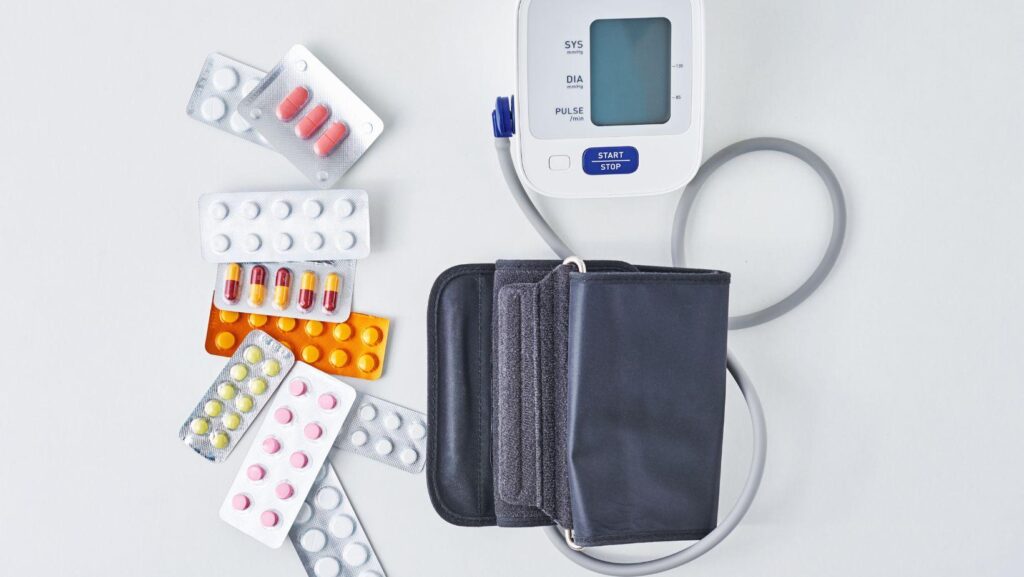
High blood pressure often has no symptoms, but its long-term risks are serious. Treatment decisions can feel abstract because the benefit is usually prevention: fewer strokes, heart attacks, kidney problems, and heart failure complications over time. The goal is not to find a miracle pill. It is to build a safe plan that fits the person.
When a brand name such as Diovan appears in a prescription discussion, the active medicine is valsartan, an angiotensin II receptor blocker. The right choice depends on diagnosis, kidney function, other medicines, pregnancy status, and follow-up. BorderFreeHealth connects U.S. patients with licensed Canadian partner pharmacies. Where required, prescription details are verified with the prescriber prior to dispensing by the pharmacy. It supports access to cash-pay, cross-border prescription options for patients without insurance, subject to eligibility and jurisdiction.
Blood pressure care is a pathway, not a single fix
Most people with high blood pressure need more than a prescription label. They need accurate home or clinic readings, a clear target, and a plan for follow-up. Clinicians also look for related risks, including diabetes, kidney disease, heart disease, sleep apnea, and family history.
Medication is often one part of that pathway. Food choices, sodium intake, alcohol use, physical activity, sleep, and stress can all affect readings. Some people reach their target with one medicine. Others need two or more medicines from different classes.
A good blood pressure medicine is not the same for everyone. It should lower pressure enough to reduce risk, while causing few side effects and fitting the person’s other health needs. That is why follow-up blood pressure checks and lab tests matter after a treatment change.
Where valsartan fits in treatment decisions
Valsartan belongs to a class called angiotensin II receptor blockers, often shortened to ARBs. These medicines relax blood vessels by blocking a hormone system that can tighten arteries and raise blood pressure. Lower pressure reduces strain on the heart, kidneys, and blood vessels.
For many patients, an ARB can be an appropriate blood pressure option. It may be considered when an ACE inhibitor causes a persistent cough, or when a clinician prefers an ARB because of the person’s overall health profile. Valsartan is also used in some heart failure care plans and in selected patients after a heart attack.
Whether it is a good choice depends on the patient, not the brand name. A prescriber may consider age, baseline blood pressure, kidney function, potassium level, fluid status, and other prescriptions. People with certain kidney or heart conditions may need closer monitoring, not because the medicine is unusual, but because their condition is more complex.
No blood pressure medicine should be treated as a cure-all. Even effective medicines may need dose adjustments, combination therapy, or replacement if side effects occur. The safest plan is one that can be monitored and revised.
Side effects and safety checks to expect
Many people take ARBs without major problems, but side effects can happen. Dizziness, lightheadedness, tiredness, or headache may occur, especially when treatment starts or when the dose changes. Symptoms can be more noticeable if a person is dehydrated or taking a diuretic.
More serious concerns include very low blood pressure, changes in kidney function, and high potassium levels. High potassium may not cause symptoms at first, but it can affect heart rhythm. This is why clinicians may order blood tests before and after starting therapy.
Seek urgent medical care for swelling of the face, lips, tongue, or throat, trouble breathing, fainting, or severe weakness. These symptoms are uncommon but can be serious. A patient should also report a major drop in urination, severe vomiting or diarrhea, or signs of dehydration.
Pregnancy is a major safety issue. ARBs can harm a developing fetus and are generally not used during pregnancy. Anyone who is pregnant, planning pregnancy, or could become pregnant should discuss safer alternatives with a healthcare professional before starting or continuing this type of medicine.
What to avoid or discuss with a clinician
Several common products and situations can change the risk profile of valsartan or other ARBs. Patients should not assume over-the-counter products are harmless just because they are easy to obtain. A pharmacist or prescriber can help screen for interactions.
Patients should also ask what to do if a dose is missed, what readings are too low, and when to call the clinic. Stopping a blood pressure medicine without guidance can allow readings to rise again. That may increase risk even if the person feels well.
Access and continuity are part of safe care
Medication access is a healthcare issue, not just a convenience issue. Missed refills, unclear prescribing instructions, insurance gaps, and pharmacy delays can interrupt treatment. For a condition that often has no symptoms, interruptions may go unnoticed until blood pressure is checked.
Continuity starts with a current prescription and an accurate medication list. Patients should know the active ingredient, strength, schedule, and reason for each medicine. This helps prevent duplicate therapy, especially when a brand name and a generic name both appear in records.
Generic valsartan and brand-name products may be discussed differently by insurers, pharmacies, and clinicians. The clinical question is whether the dispensed medicine matches the prescriber’s intent and is appropriate for the patient. If a substitution is made, patients should understand what changed and what did not.
Cross-border and cash-pay pathways exist because some patients face gaps in coverage or affordability. Those pathways still depend on prescriptions, eligibility, jurisdiction, and pharmacy-level checks. They should be viewed as part of medication navigation, not as a replacement for diagnosis, monitoring, or ongoing clinical care.
The bottom line for patients and families
Valsartan can be a useful blood pressure medicine for many people, but it is not a miracle pill and it is not right for everyone. The safest care plan considers the whole patient: blood pressure readings, kidney function, potassium levels, pregnancy status, other medicines, and the ability to stay on therapy.
Patients can protect themselves by keeping an updated medication list, asking about interactions, reporting side effects early, and following recommended lab monitoring. Care is strongest when prescribing, dispensing, and follow-up all support the same plan.
Medical disclaimer: This content is for informational purposes only and is not a substitute for professional medical advice. A qualified healthcare professional can provide guidance based on individual medical history and current treatment needs.