

Kittens are the tiniest of troublemakers, bringing boundless joy (and, let’s be honest, a bit of chaos) into our lives. But as adorable as they are when they’re bounding around like little furballs, understanding their needs is essential to setting them up for a happy life. If you’re on the verge of adopting a fluffy companion or just want to expand your kitty knowledge, you’re in the right place. In this infoguide, we’ll investigate into everything from kitten development stages to health tips that will keep those little paws purring for years to come.
Infoguide For Kittens Llblogpet
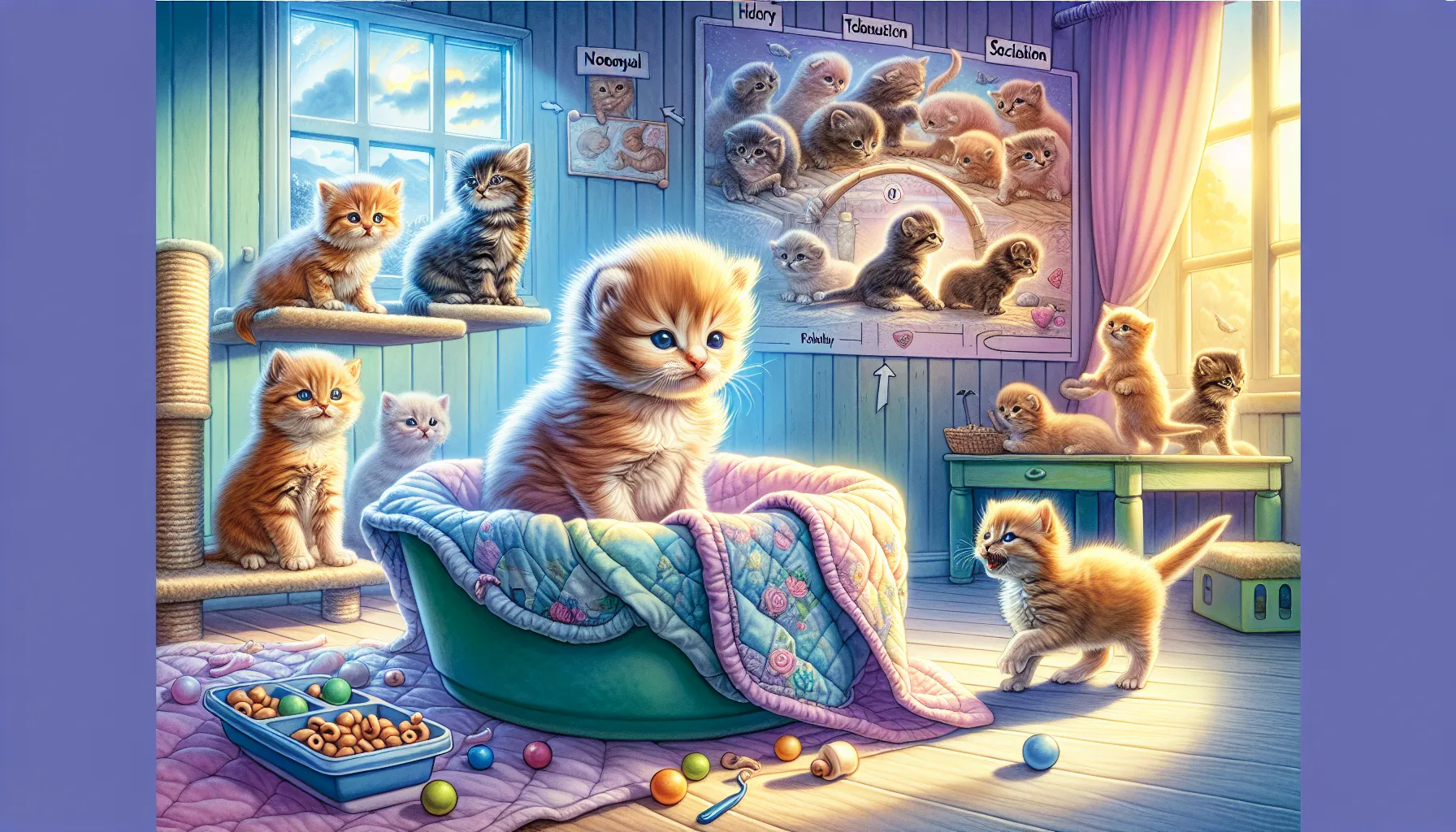
Neonatal Stage (0 – 2 weeks)
During this time, kittens rely entirely on their mother. They can’t see or hear yet and spend most of their time nursing and sleeping. If you find yourself fostering these tiny bundles, keep them warm and safe, temperature is crucial for their survival.Transitional Stage (2 – 4 weeks)
Things start to heat up at this stage. Kittens begin to open their eyes and ears, becoming curious little explorers. At this point, they typically start to nibble on solid food while still nursing.Socialization Stage (4 – 9 weeks)
Arguably the most vital phase for future behavior, this is when they learn to socialize with their siblings and humans. The experiences they have during this time strongly shape their adult behavior.Juvenile Stage (9 weeks and up)
Here, they begin to show their unique personalities. They’re playful, a bit mischievous, and eager for new experiences. This phase can last until about six months when they transition into adulthood.Choosing the Right Kitten
Selecting the perfect kitten for our household can feel overwhelming, but we can simplify the process. Start by considering your lifestyle. Are you active and looking for a playful companion, or do you need a more laid-back kitty? Littermates can be fun, as they often come with built-in playmates, but adopting a solo kitten can work well if we’re prepared to give them extra attention. Visit shelters or adoption events, and try to engage with various kittens. Look for one that feels right. Don’t ignore your instincts: they can often guide us to the perfect match.Essential Supplies for New Kittens
Once we have our furry friend selected, it’s time to gather some essential supplies. Here’s our must-have checklist:-
- Food and Water Bowls: Opt for shallow dishes to make eating easier. Stainless steel is a great option, as it’s durable and easy to clean.
-
- Quality Kitten Food: Look for food specifically formulated for kittens. It meets their growing dietary needs and can help with healthy development.
-
- Litter Box and Litter: Choose a litter that is safe for kittens. Clumping clay litter is popular, but make sure to avoid anything too dusty or potentially harmful.
-
- Cat Tree or Scratching Post: Kittens love to climb and explore. A cat tree can provide entertainment and a place to scratch, something they need to do to keep their claws healthy.
-
- Toys: Invest in a variety of toys. Teaser toys, balls, and soft plush mice can keep little ones engaged and stimulated.
Health and Wellness Tips for Kittens
Keeping our kittens healthy is a top priority. Here’s how we can ensure they thrive:-
- Regular Veterinary Visits: Regular check-ups are key. Vaccinations are essential to protect them from various diseases.
-
- Parasite Control: Discuss flea and tick prevention plans with our vet. It’s vital to keep our fluffballs comfortable and safe.
-
- Spaying/Neutering: At around six months, we should consider spaying or neutering. Not only does this help control the pet population, but it can positively impact their behavior and health.
-
- Nutrition: Stick to a balanced diet suited for their age and breed. This helps prevent obesity and ensures they receive necessary nutrients.
Socialization and Training for Kittens

-
- Expose Them to New Experiences: Safely introduce them to different environments, people, and other pets. This exposure builds confidence and helps reduce fearfulness.
-
- Start Training Early: Kittens are incredibly receptive to training when young. Use positive reinforcement methods, like treats and praise, to encourage desired behaviors.
-
- Playtime: Engaging in play enhances their physical and mental development. Rotate toys regularly to keep their interest piqued.
Common Health Issues in Kittens
Being aware of potential health issues can help us act swiftly if our kittens get sick. Some common concerns include:-
- Upper Respiratory Infections: Symptoms include sneezing and nasal discharge. Prompt veterinary care can address these infections quickly.
-
- Parasitic Infections: Kittens are susceptible to worms and fleas. Regular monitoring and vet visits can help us stay ahead of these pesky issues.
-
- Diarrhea: This can result from dietary changes or infections. Keeping a close eye on their health can guide us on when to consult a vet.